HOTEL DETAILS
Hôtel Plaza Athénée
25 Av. Montaigne, 75008
Paris, Francia
Written by Laura May Todd
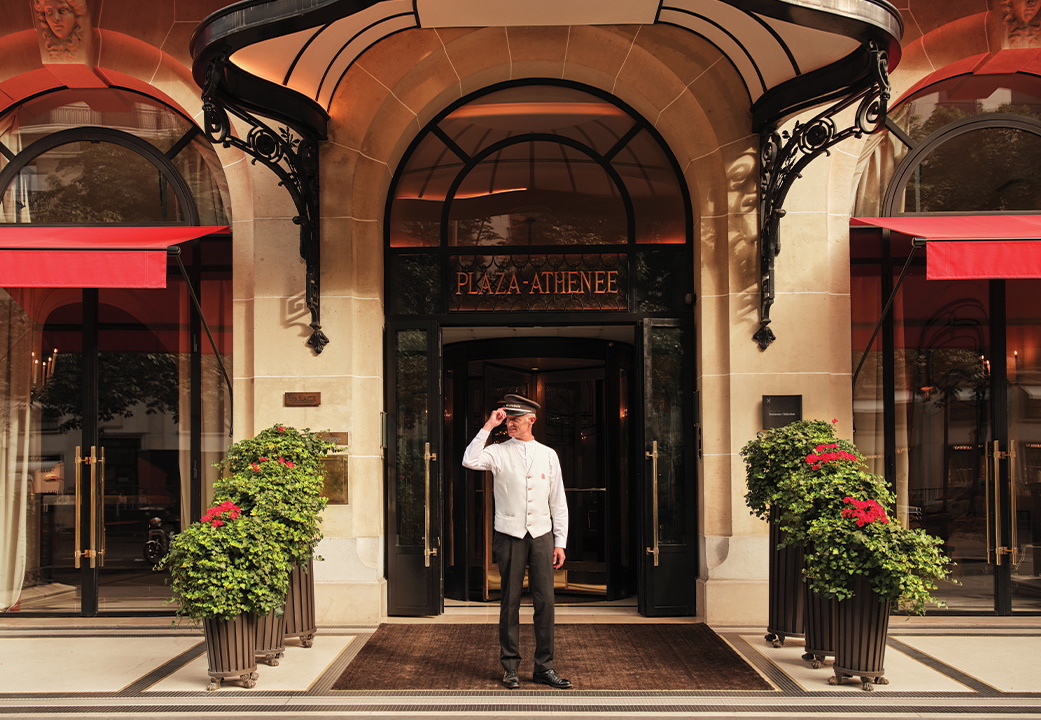
Located in the heart of Paris’s Golden Triangle, the Hôtel Plaza Athénée has epitomized Parisian luxury since it opened on the 20th of April 1913. Its red canvas awnings and ivy laced facade have become an enduring symbol of the haute couture quarter, a place where fashion, gastronomy, and hospitality entwine.
Hôtel Plaza Athénée
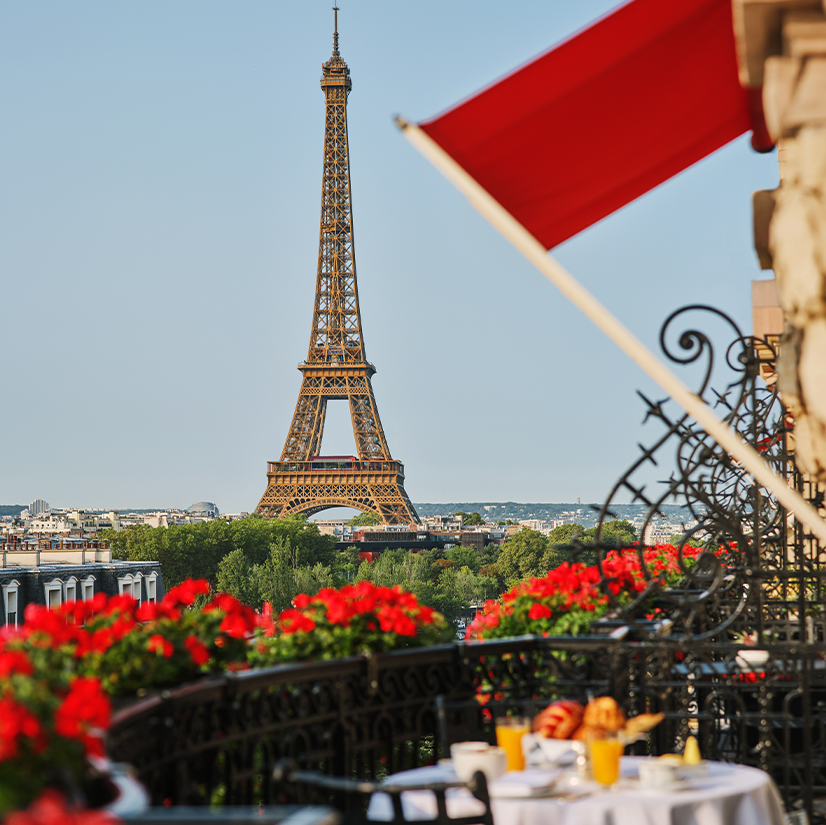
The French actor Jean Gabin and the German actress Marlene Dietrich — he famous for his intense roles in classic French cinema, she for her iconic screen presence in The Blue Angel and Shanghai Express — first sparked their romance at the Relais du Plaza restaurant in Paris's Hôtel Plaza Athénée. Rumour has it they often spent romantic nights holed up in a suite at the Avenue Montaigne hotel. After their affair ended, Dietrich was so enchanted with the hotel’s Art Deco glamour that she bought a flat directly across the street so she could see its facade every day. On her first morning there, Gabin asked the hotel to fill the balconies with red roses, so that when she opened her windows, the blaze of crimson would greet her. Unable to source quite that many precious stems, the manager swapped them out for geraniums. Since that moment, the humble red blooms have been planted in all the window boxes — an homage to their story.
“Red is now our signature color,” says General Manager Laurence Bloch, who has worked at the hotel for more than 25 years, referring to the crimson awnings and vibrant floral cascades that define the Plaza’s facade.
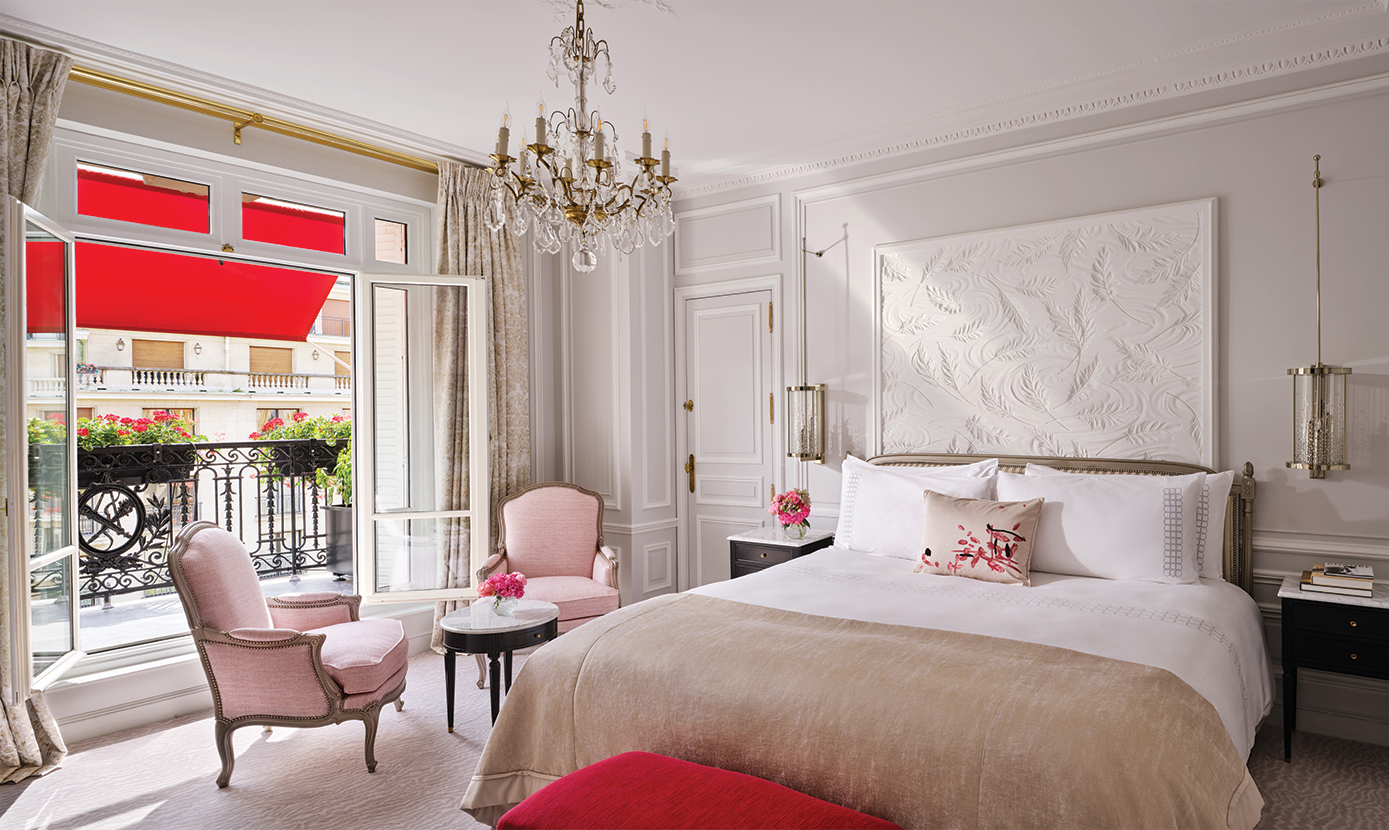
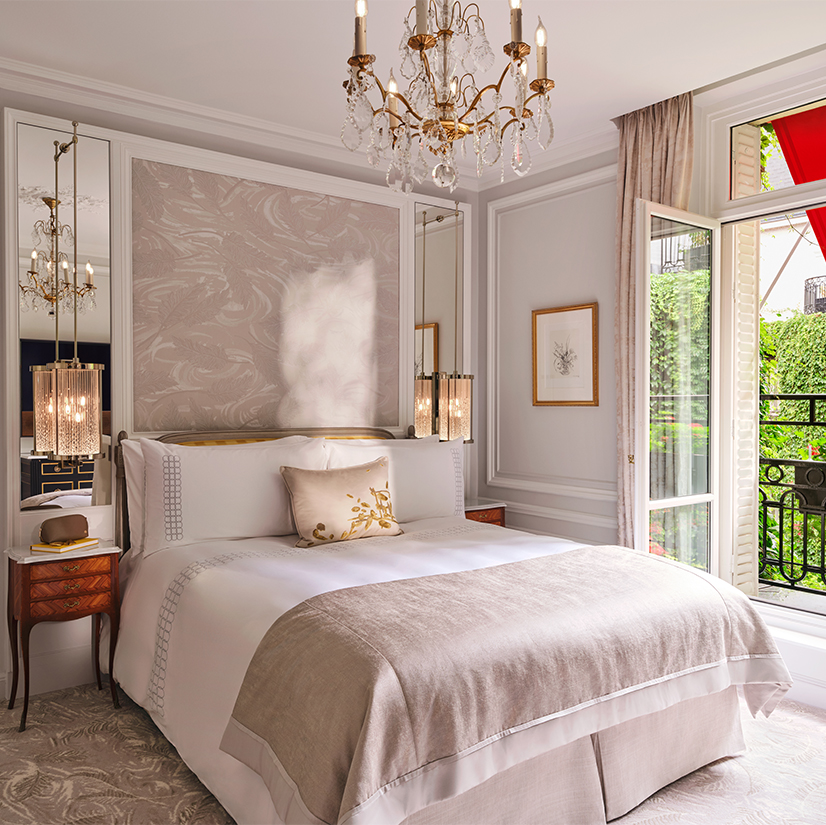
“Located in the heart of Paris’s Golden Triangle, the Hôtel Plaza Athénée has epitomized Parisian luxury since it opened on the 20th of April 1913. Its red canvas awnings and ivy laced facade have become an enduring symbol of the haute couture quarter, a place where fashion, gastronomy, and hospitality entwine. With 154 rooms and 54 suites, the interiors are conceived to feel like private Parisian apartments. The lower floors draw from Louis XVI classicism, all gilded mirrors, paneled walls, and silken drapes. In contrast, the seventh and eighth floors are wrought in Art Deco splendor: lacquered woods, sleek lines, and geometric symmetry that speak to the optimism of the 1930s.
In more recent years, designers Bruno Moinard and Claire Bétaille have carefully refreshed the rooms, layering subtle modern touches onto heritage detail, with monumental chandeliers and mirrored surfaces that catch the Paris light. Suites overlooking the Eiffel Tower are framed like a cinematic tableau, while the vast Royal Suite, at 450 square metres, feels more like a grand residence than a hotel room.
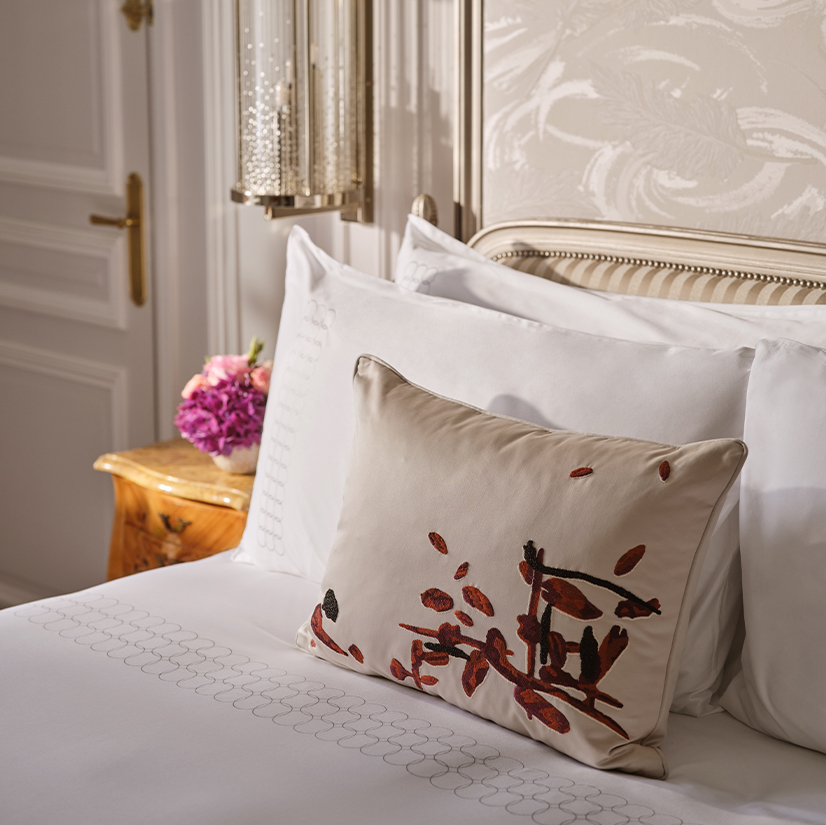
However, it was a neighbor — perhaps the Plaza’s most important — that helped shape the hotel’s identity. In 1946, Christian Dior opened his couture house at 30 Avenue Montaigne, directly across the street. Ever since, the Plaza Athénée and Dior have maintained a symbiotic connection. As Bloch recounts, Dior’s 1947 debut New Look collection was closely inspired by the hotel’s bar. The legendary Bar Suit (the ivory, nipped-waist jacket paired with a full skirt) is said to take its name from the hotel’s ground floor bar. The skirt itself was famously wide, fluffy, and voluminous, so much so that models could comfortably — and modestly — perch only on barstools between fittings. “Our precision comes from the same couture sensibility,” Bloch says. “Even the cushions are embroidered by the same ateliers that serve the fashion houses.”
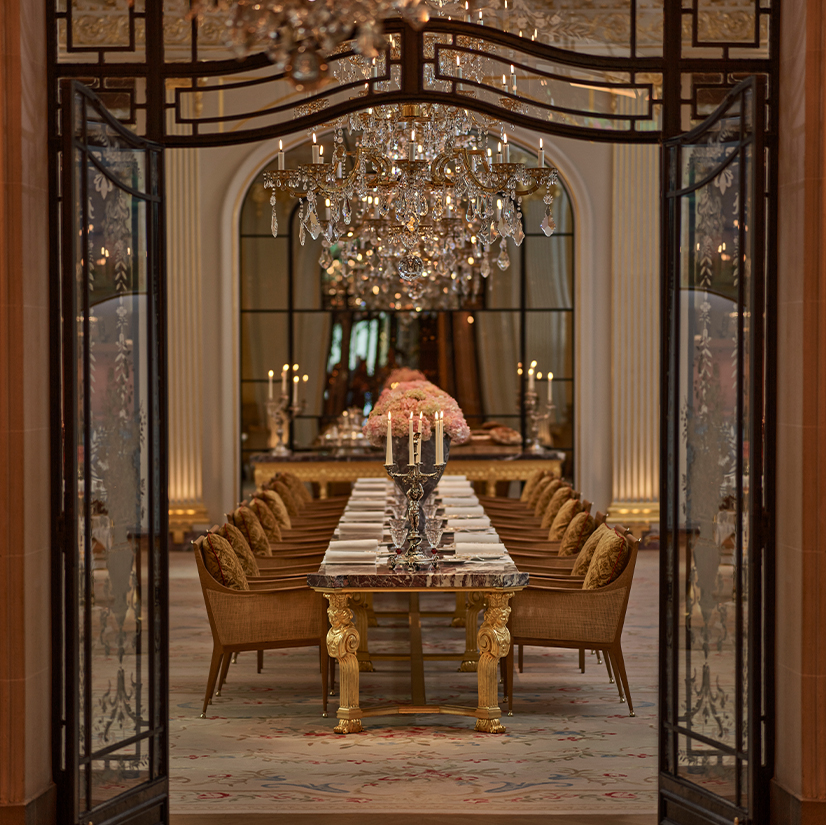
The hotel has also made its mark through dining. In the 1930s, the Plaza opened Le Relais Plaza, a triumph of Art Deco style with rich lacquered woods, René Jules Lalique chandeliers, and original frescoes by Diane Chasseresse. With its separate entrance on Avenue Montaigne, it quickly became a gathering place for Paris’s cultural elite, who were drawn as much to its modern interiors as to the conviviality of the brasserie spirit. Though the menus and chefs have evolved, the space retains that original glamour, a reminder of how design and gastronomy have always been central to the Plaza experience.
Under Laurence Bloch’s stewardship, the Plaza Athénée strikes a fine balance between heritage luxury and contemporary flair. The hotel’s seasonal gestures are part of its draw: in summer, La Cour Jardin transforms into an open-air restaurant. In winter, the courtyard becomes a private skating rink. Film screenings under the stars, festive pastry creations, and weekly live music in the bar all reinforce the hotel’s reputation as a place where tradition and playfulness coexist. “Luxury isn’t only about formality,” Bloch says. “It’s about joy, play, surprise.”
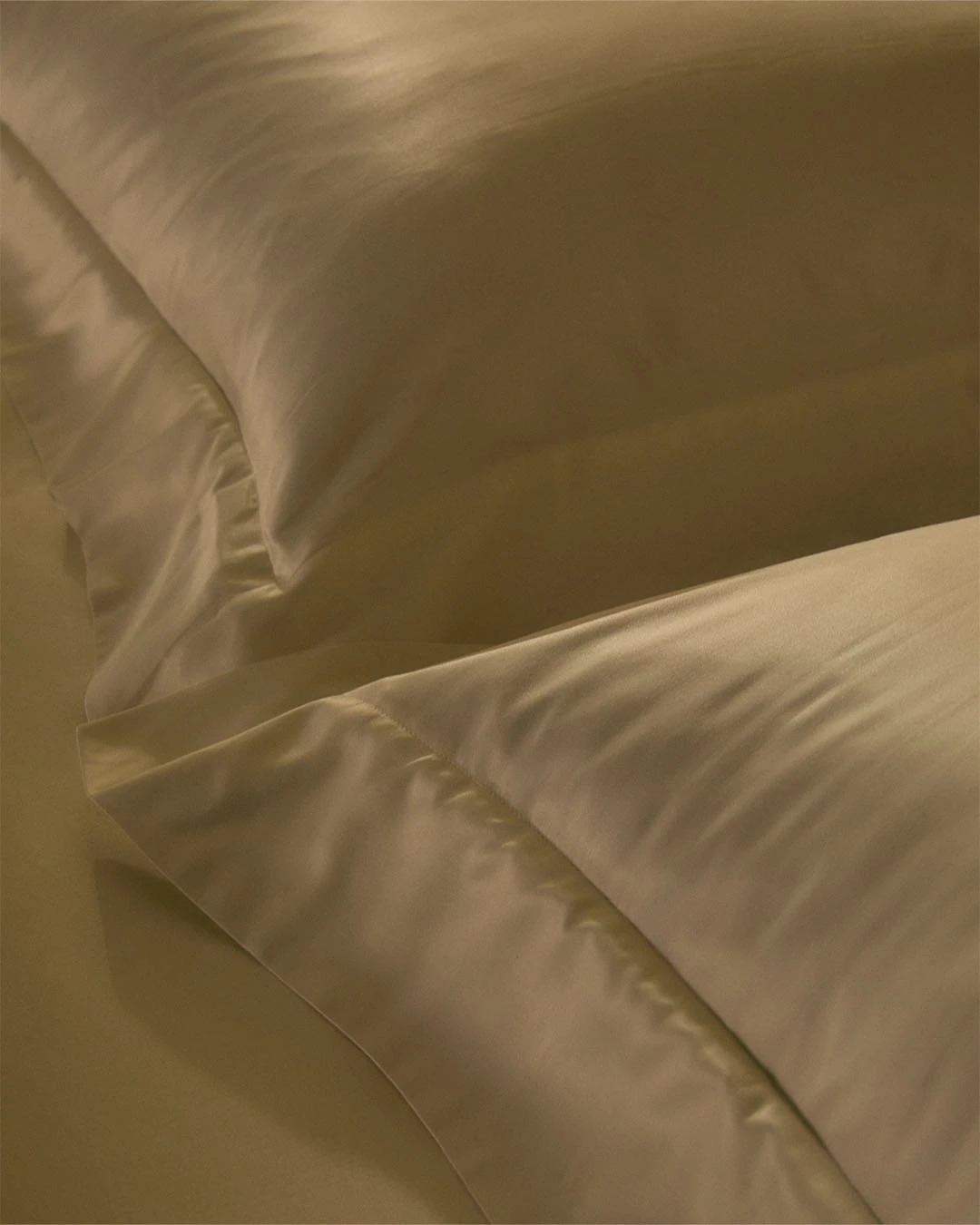
The linens at Plaza Athénée reflect that same dedication to detail. Though the hotel made efforts to use primarily French suppliers, Bloch notes, they chose the Italian Frette because “it is among the best in the world.” Bedding, towels, and embroidered accents are custom designed: even the Royal Suite’s textiles bear Frette’s patterns and details woven into the fabric. It is couture thinking, applied to the most intimate moments of a guest’s stay.
Today, to walk past the Plaza Athénée is to enter a theatre of romance and design: red awnings and floral cascades, rooms that tell the story of couture history, an Art Deco brasserie that still carries the glamour of the 1930s, and bathrooms and beds dressed in flawless linens. It is a place where glamour isn’t relegated to a nostalgic memory, but something guests live each moment.
Hotel Plaza Athénée
-
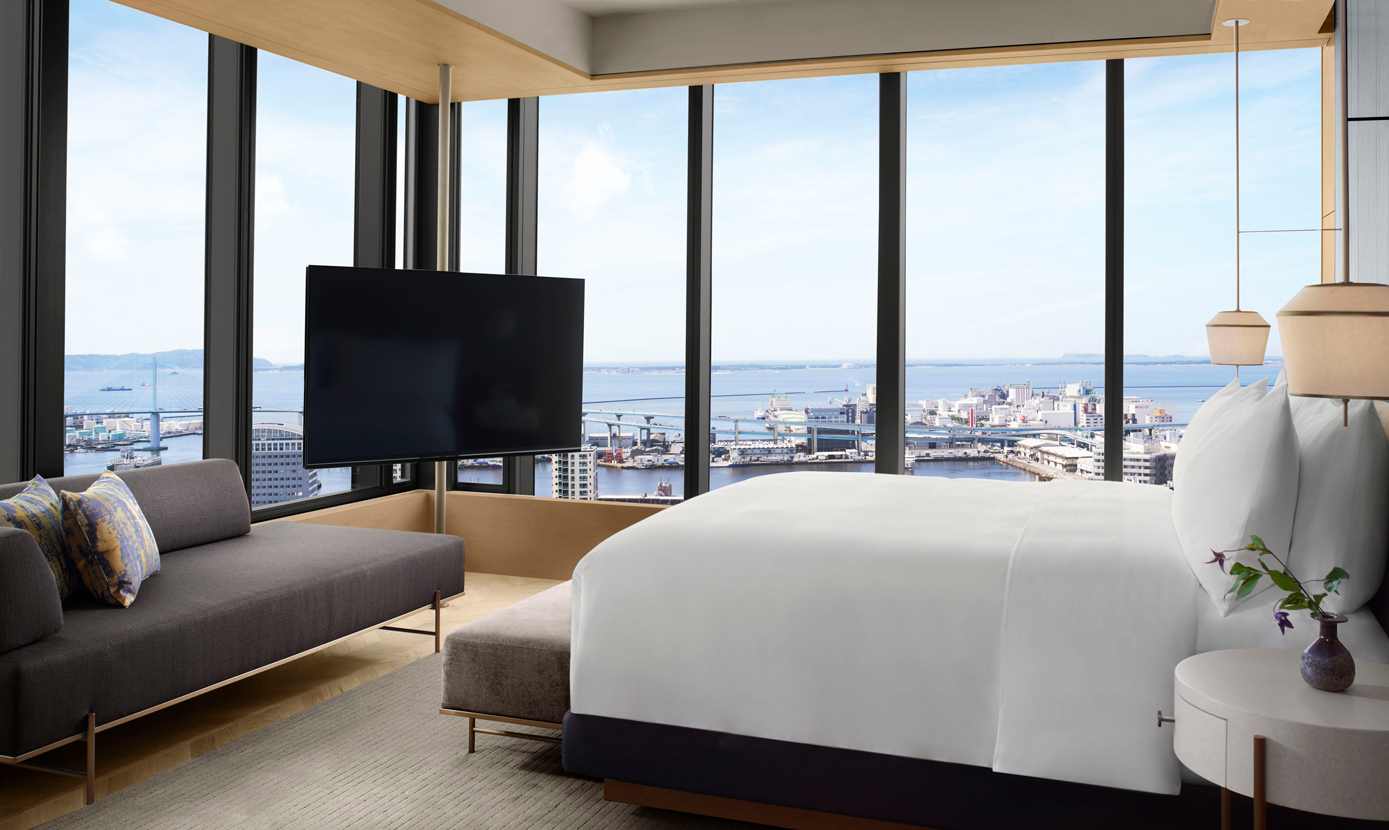
The Ritz-Carlton, Fukuoka
-
FUKUOKA, JAPAN
-
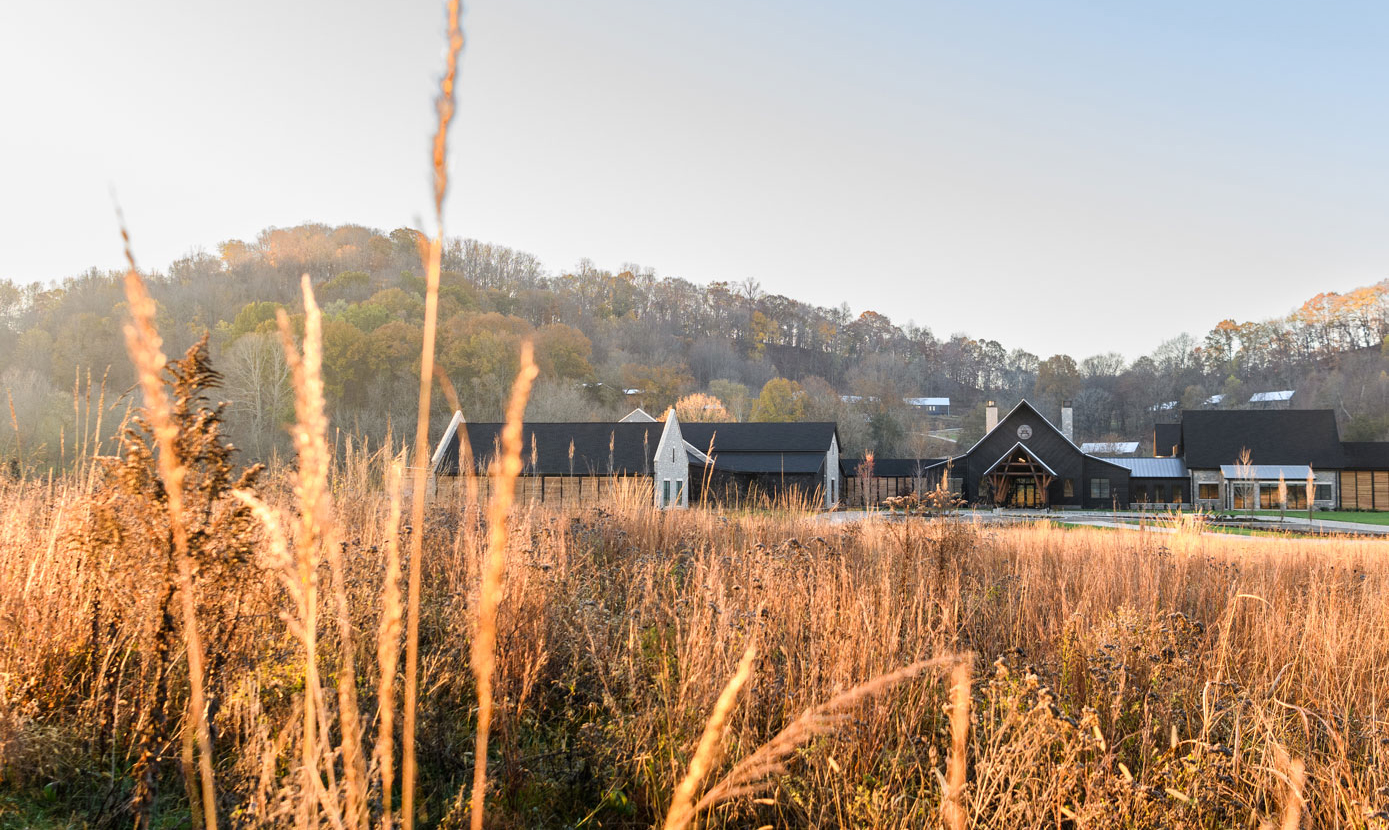
Southall Farm & Inn
-
FRANKLIN, TENNESSEE
-
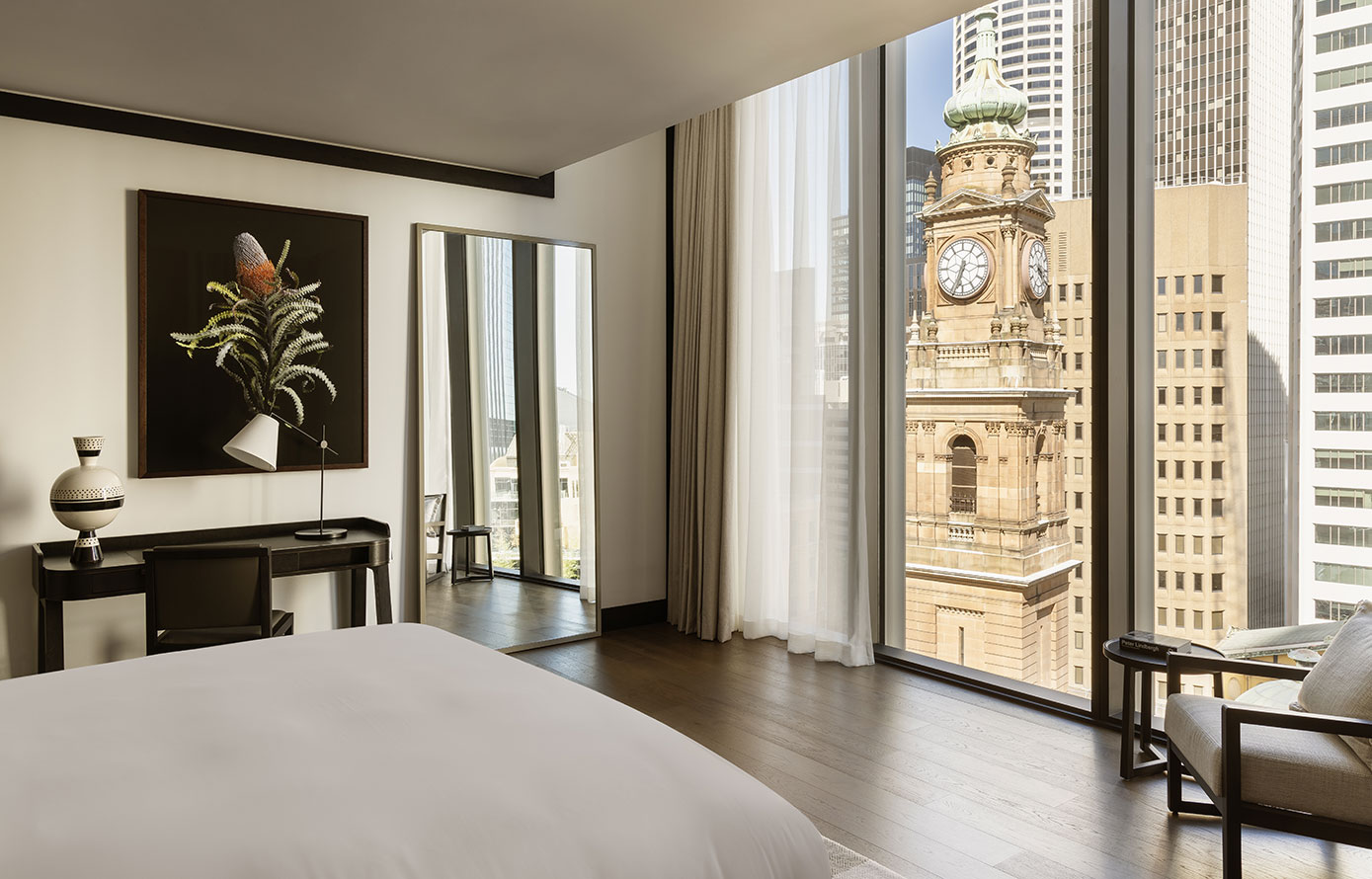
CAPELLA HOTEL
-
SYDNEY, AUSTRALIA
-
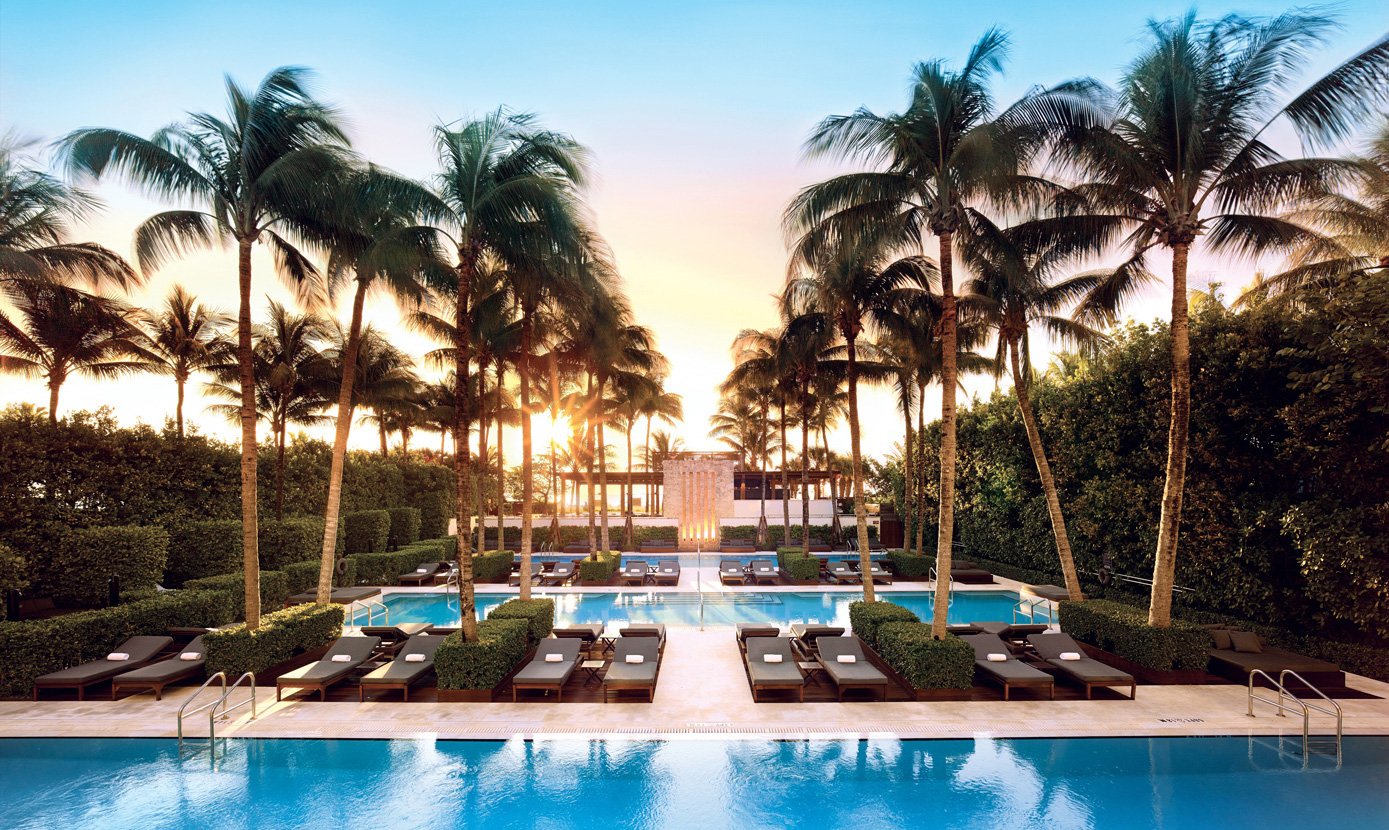
The Setai
-
MIAMI BEACH, FLORIDA
-
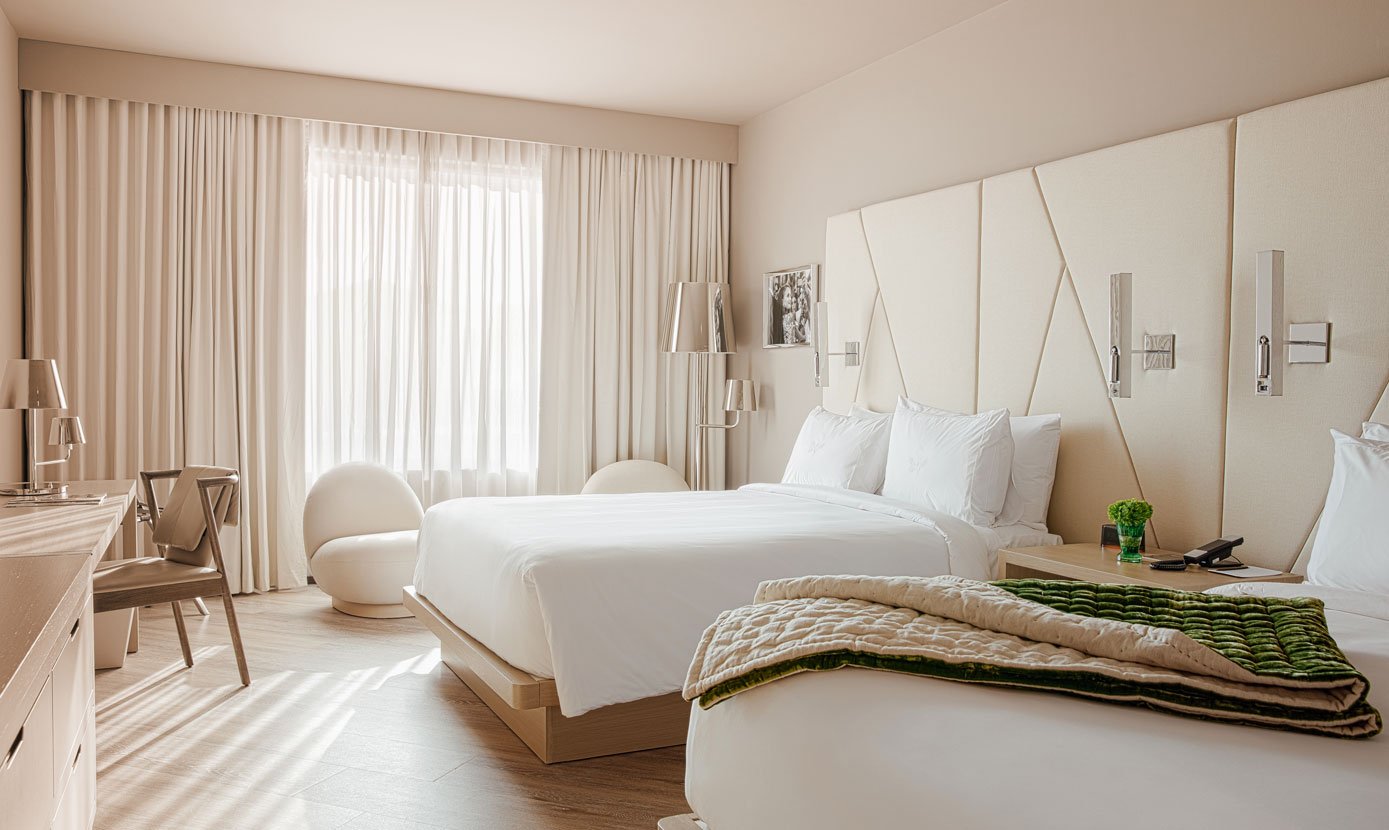
Ette Hotel
-
ORLANDO, FLORIDA
-
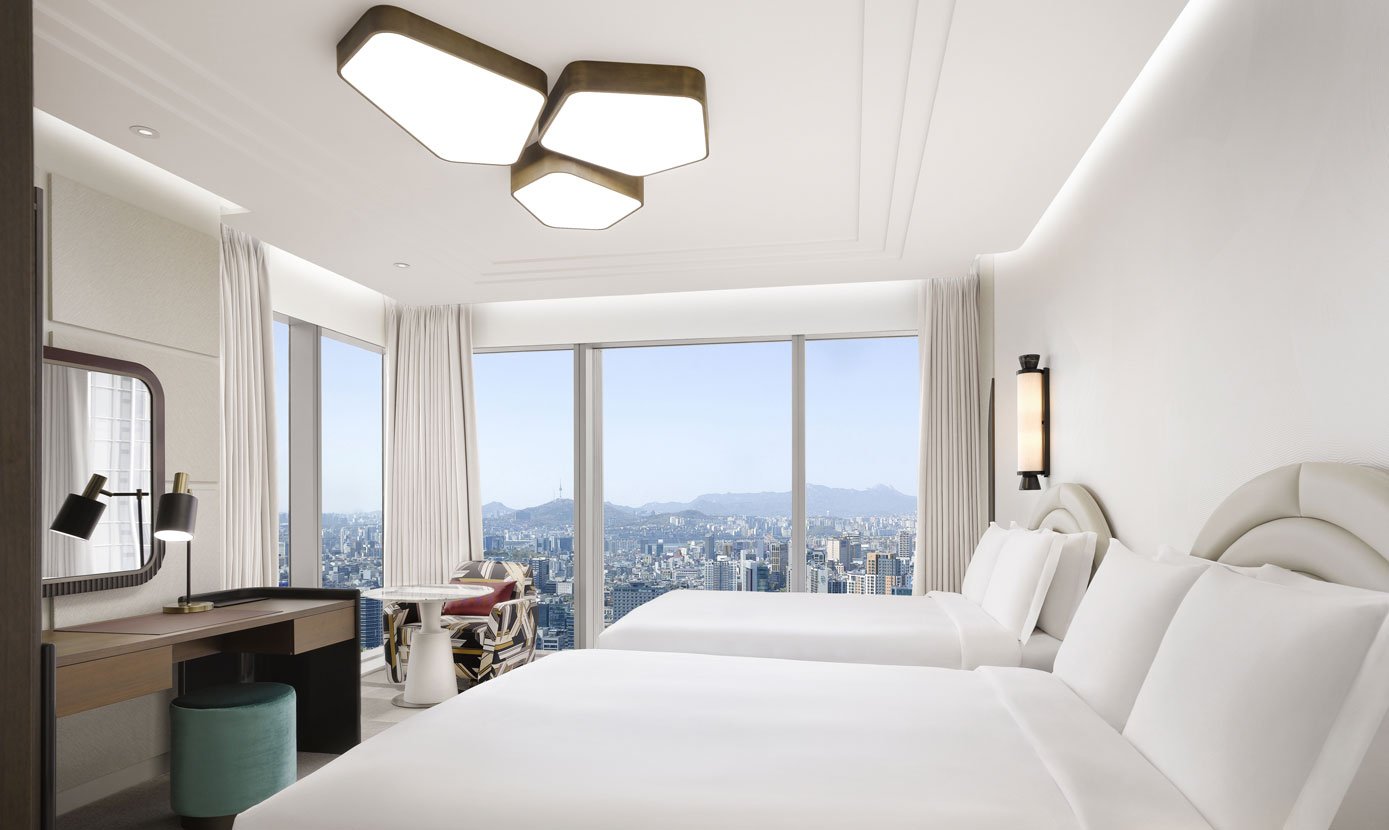
Josun Palace
-
SEOUL, KOREA
-
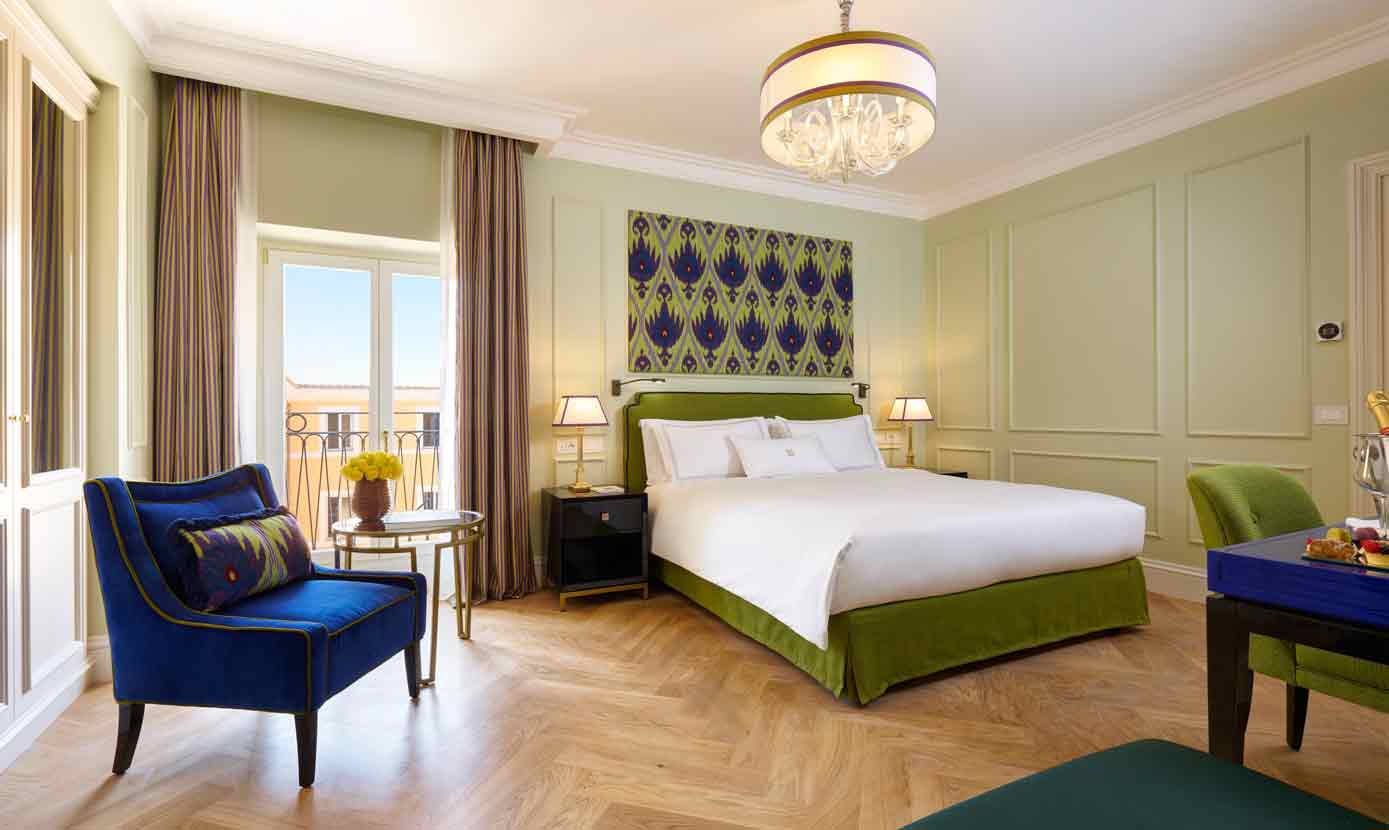
Palazzo Ripetta
-
ROME, ITALY
-
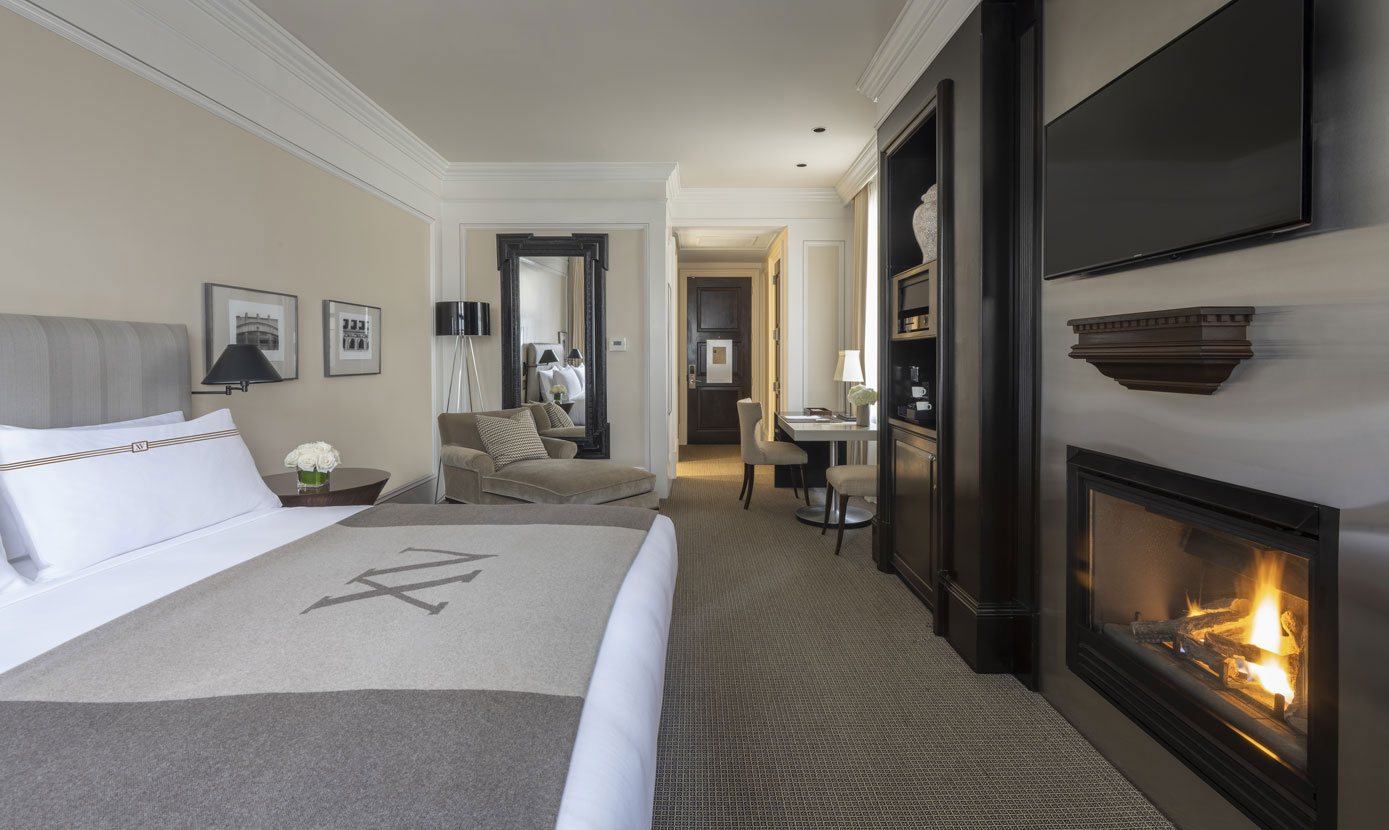
Xv Beacon
-
BOSTON, MASSACHUSETTS
-
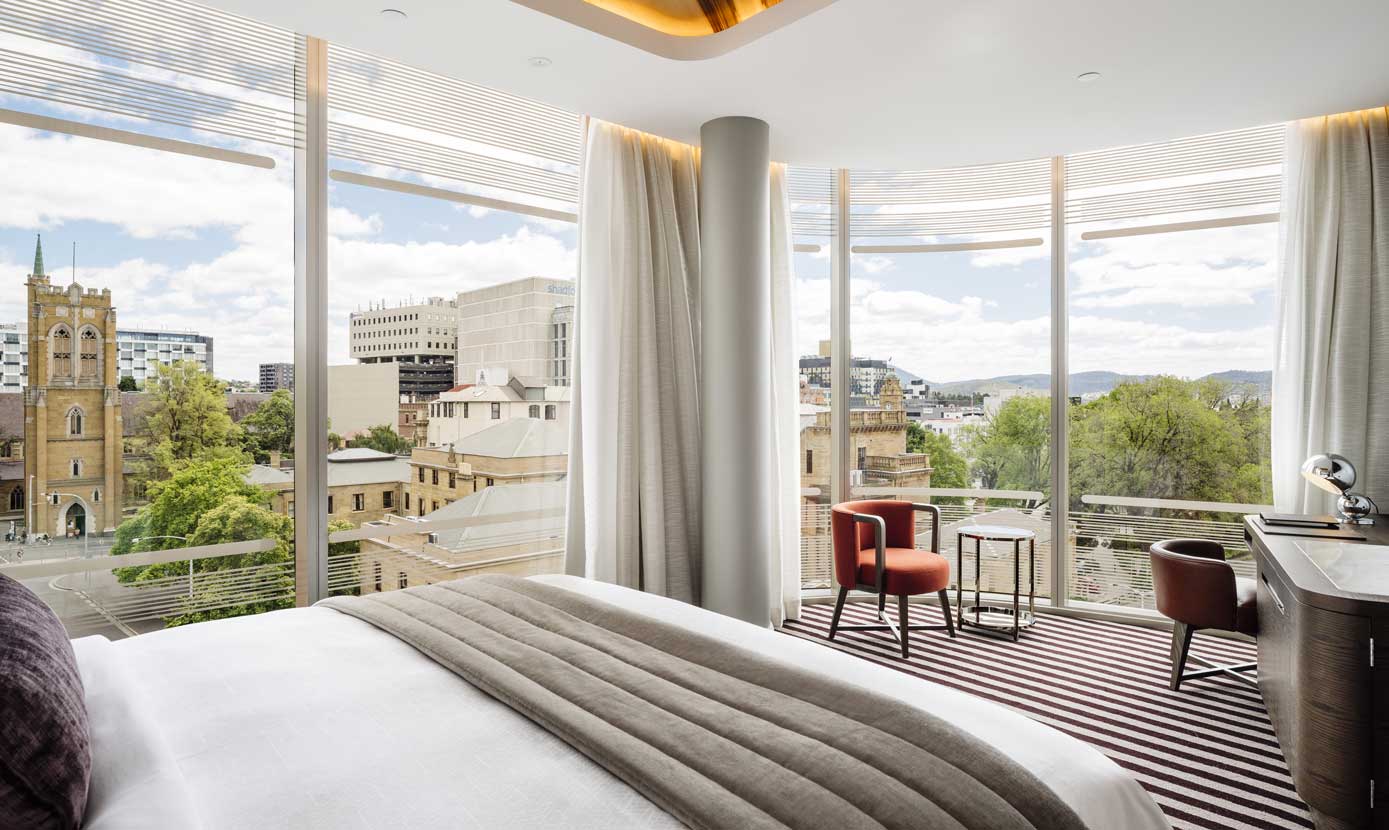
The Tasman, A Luxury Collection Hotel
-
HOBART, AUSTRALIA