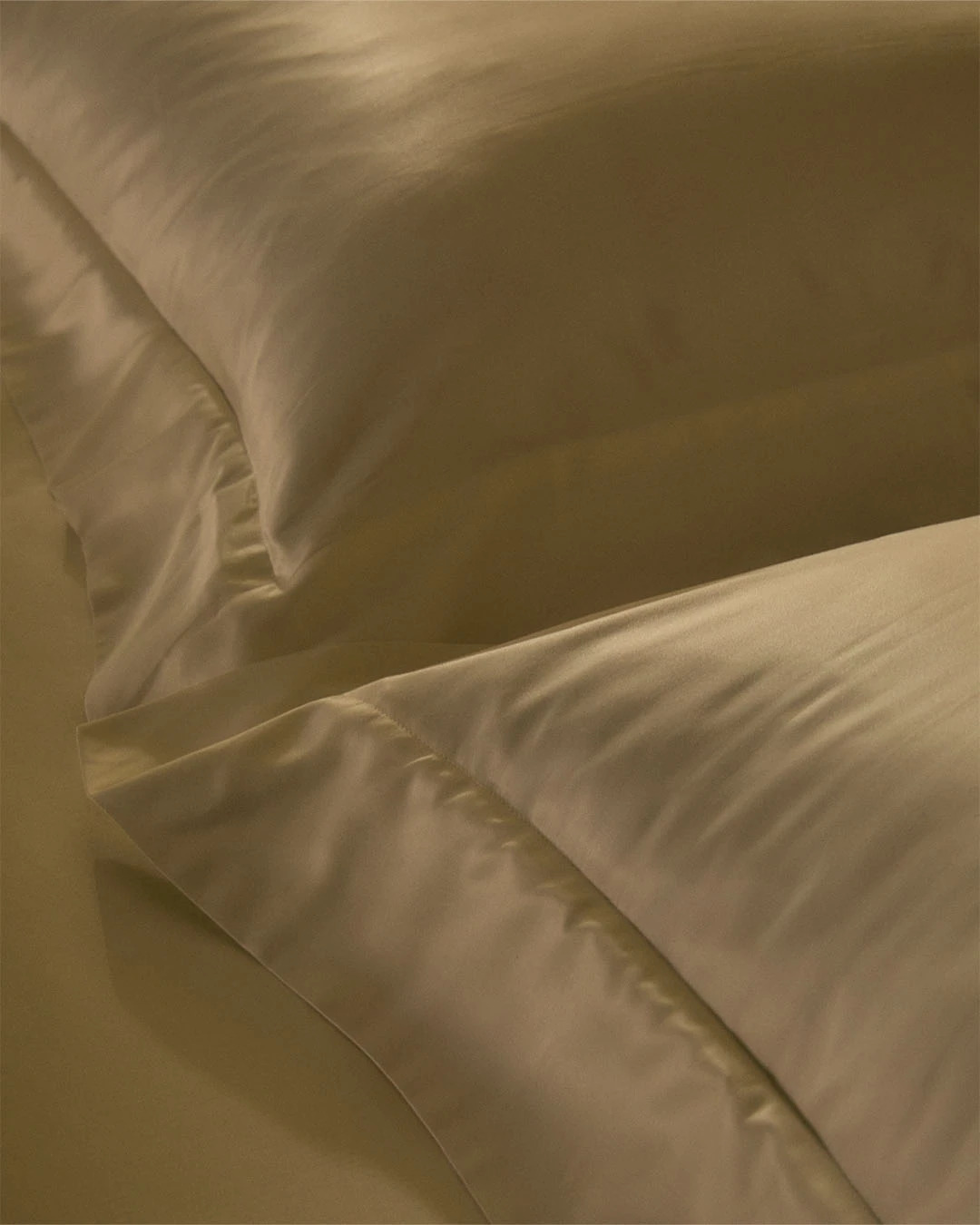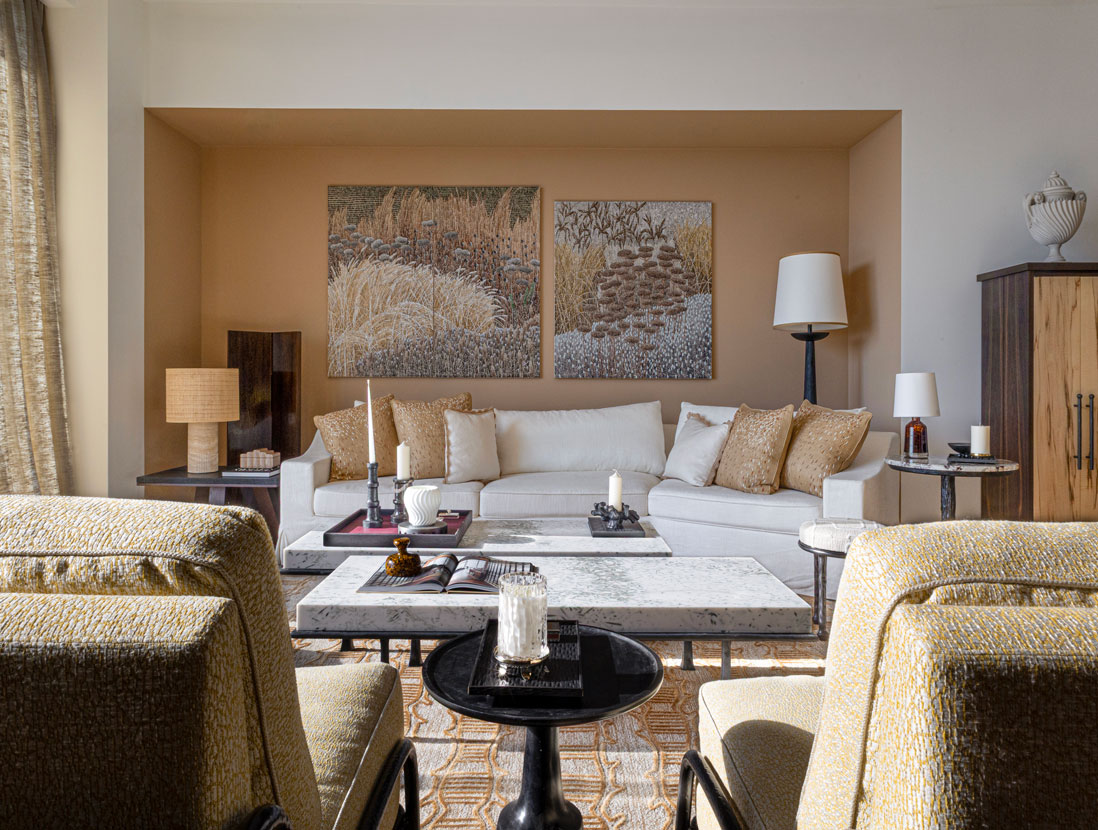
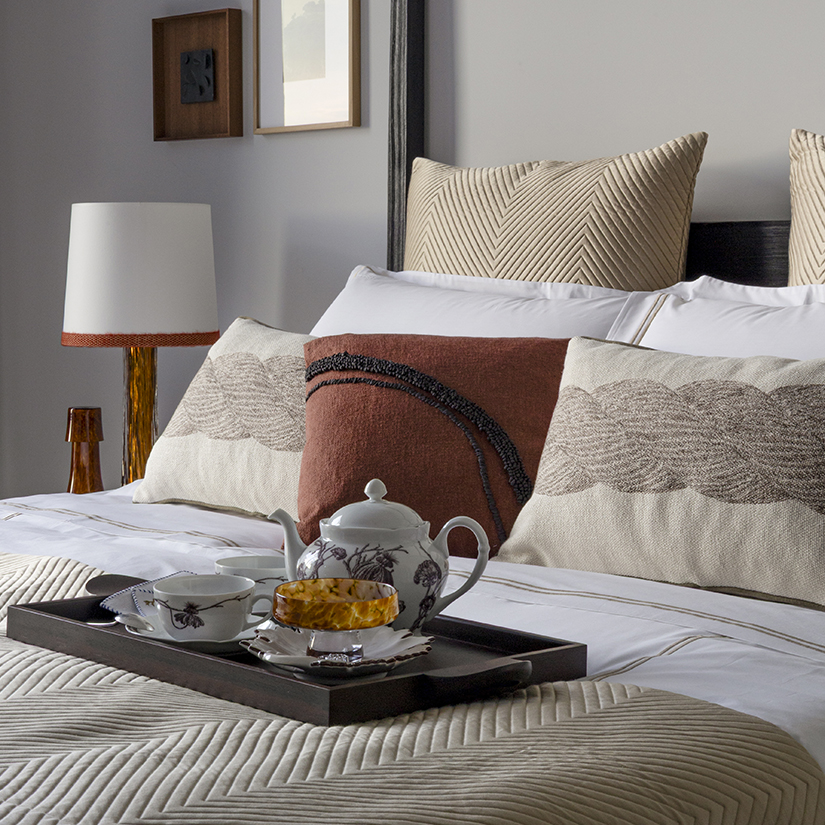
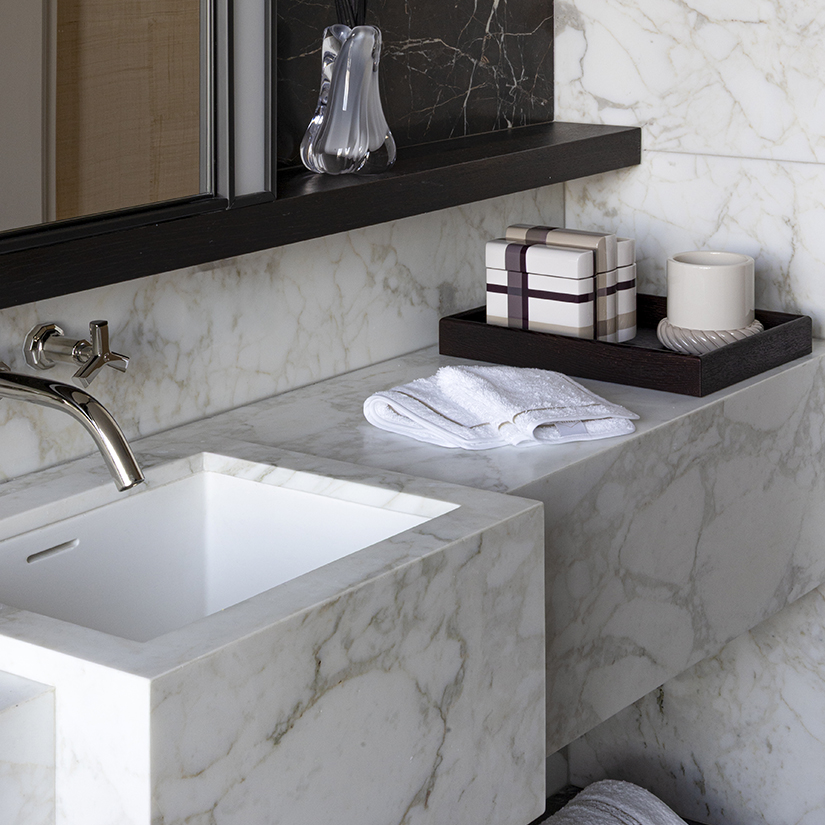
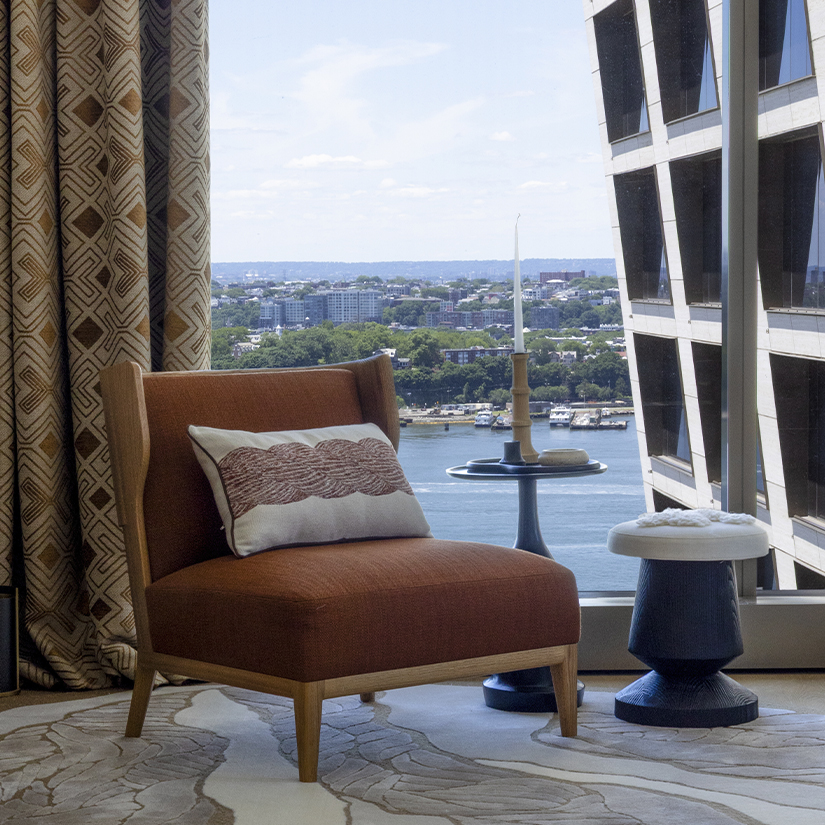
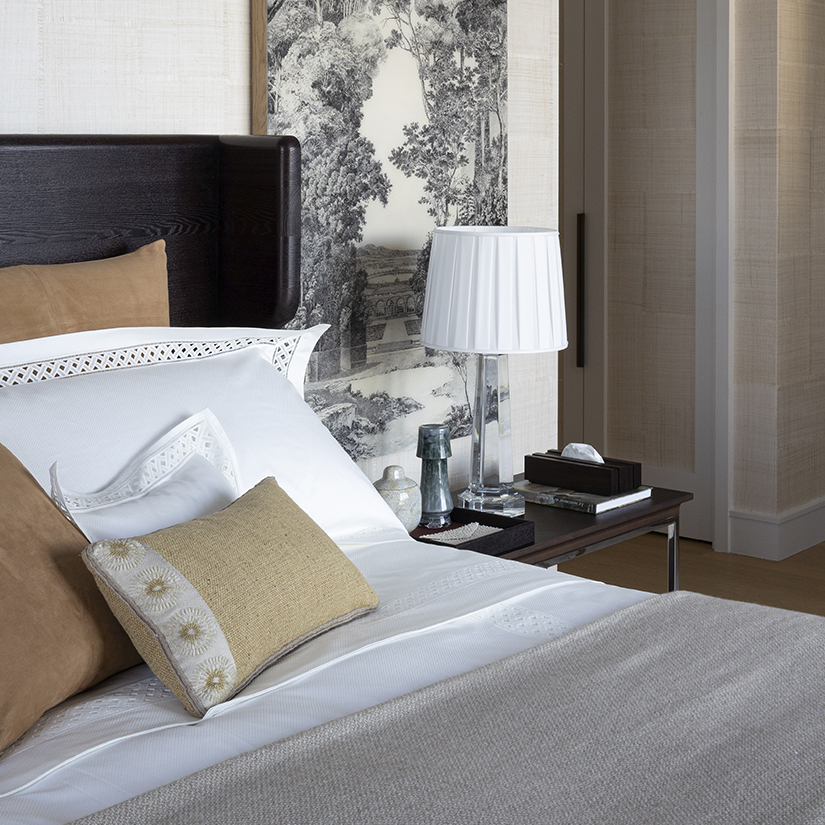
To mark the opening of Gilles & Boissier’s new New York showroom, where Frette bedding and bath collections are woven throughout the space, we spoke with co-founder Dorothée Boissier, a longtime admirer and partner of the brand, about the projects, places and principles that continue to shape her distinctive approach to design.
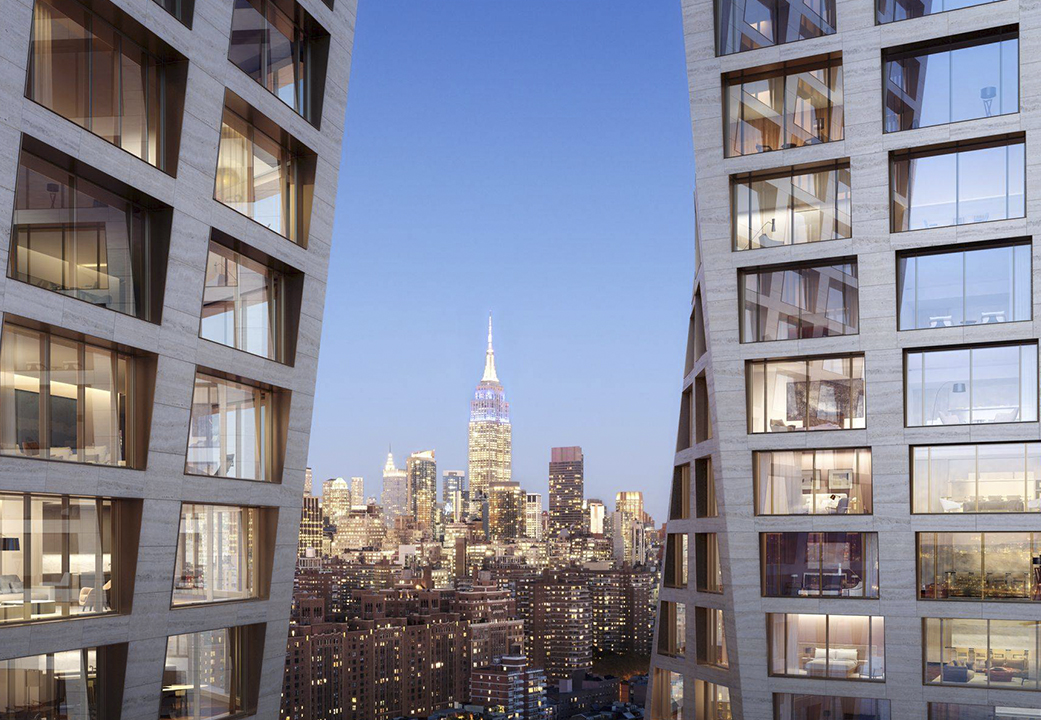
Photos by Gilles & Boissier

Dorothée Boissier
Co-Founder & CEO of Gilles&Boissier
Known for her refined yet deeply livable interiors, Dorothée Boissier has become one of the leading voices in contemporary French design and has built an international reputation for creating spaces that balance enduring elegance with a modern point of view.
As co-founder of the Paris-based studio Gilles & Boissier, she has imagined some of the world's most elegant hotels, private properties, and hospitality spaces, always blending timeless craftsmanship with a fresh, distinctive sensibility. Warm, approachable and passionate, she speaks openly about her creative process, her inspirations and the projects that continue to shape her vision, offering an intimate glimpse into the world behind her signature aesthetic.
Preserving the soul of a place while giving it a new identity begins with two essential qualities, according to her: listening and empathy. Two values Dorothée Boissier naturally translates into architecture, approaching every project with humility and a deep respect for its history.
“You have to look at a space, listen to it, and read as much as possible about the place and its context, whether it's a city or an entire country. It's essential to approach every project with humility, curiosity and a genuine desire to learn from what already exists.” Asked to choose three projects that best encapsulate her approach, Boissier deliberately resists the idea of a single signature style. “I would choose projects that are completely different from one another because people like to put designers into boxes, and I don't think that's what design is about.”
She begins with the Baccarat Hotel New York, a project that successfully bridges French heritage and the vibrant energy of Manhattan. ”It was full of challenges. We had to express the identity of an eighteenth-century French brand while embedding it within New York culture. A world of crystal and light, deeply contemporary yet rooted in extraordinary craftsmanship.” She also mentions a recently completed Renaissance palazzo in Florence, transformed into six private apartments for the leading hospitality group La Réserve. “We approached it with absolute respect for the building. Whenever part of it had been damaged, we reinvented it while revealing its full potential. We wanted the apartments to feel pure and unexpected, allowing the architecture to speak while the furniture almost disappears.”
The third project is Moncler's forthcoming New York flagship, a nearly 2,000-square-meters space that marks the latest chapter in a collaboration spanning more than two decades. “It's Moncler's largest flagship,” explains Dorothée Boissier. “We’ve designed nearly 300 boutiques for the brand, but this one is truly exceptional. It’s located on the site of a legendary toy store that generations of New Yorkers grew up dreaming about, just steps from Central Park. The project celebrates Moncler's technical expertise in a way that made it a unique creative exercise for us.”
Photos by Gilles & Boissier
While she’s away from her studio, Florence remains her greatest source of inspiration. A city she returns to time and time again with her family, drawn as much by its familiar rituals as by its inexhaustible cultural richness. “I love going there with my daughter. It feels both foreign and completely familiar. We return to our favourite trattorias, revisit museums we've already explored and enjoy seeing the same paintings again. It's the perfect city in terms of scale, and every visit reveals something new.”
Beyond Florence, Boissier embraces slow, unplanned travel alongside her husband Patrick and their two children, whether in Asia, the United States or from island to island, always staying close to the sea, since water is an important source of inspiration for her.
Hospitality experiences naturally play a central role in both her professional and personal life, continually feeding her imagination and creative process. “If I had to name just two hotels that have stayed with me, I'd start with Tawaraya in Kyoto. It's a ryokan that's almost impossible to book online, with an atmosphere that's almost mystical. It reveals a completely different philosophy of hospitality. I'd also choose Eden Rock in St Barths. We've collaborated with Oetker Collection, and I've known the island since childhood. I find the property incredibly poetic, with its small buildings perched on the rocks and its perfect harmony with the surrounding landscape.”
For Dorothée Boissier, every project begins long before the first sketch. Her creative process is driven as much by emotion as it is by architecture, balancing the practical constraints of a floor plan with the atmosphere she hopes to create. “The first question we ask ourselves is: what emotion do we want people to feel? I always think about the role I want my clients, the people who will inhabit the space, to step into.”
Long before well-being became a defining topic in contemporary hospitality, Boissier had already made it a guiding principle of her work. Beyond aesthetics, she believes interiors have the power to shape emotions through instinctive, almost subconscious perceptions. “We're all different and shaped by different visual and decorative references, so we don't all react in the same way. But when we design a space, we naturally hope to connect with as many people as possible. I believe the body instinctively responds to walls, windows, light and proportions. It's very much like an animal moving through nature, instinctively drawn to the place where it feels protected. Sometimes we need brightness, sometimes less. Sometimes we crave light, sometimes intimacy. We need volume, but we also need moments to breathe. Hospitality is especially fascinating because people experience so many different spaces throughout the day, each one answering a different emotional need. An architect or designer has to be incredibly receptive, almost like a sponge, constantly asking what the guest will feel. You have to approach every project with complete empathy if you want to create a genuine journey.”
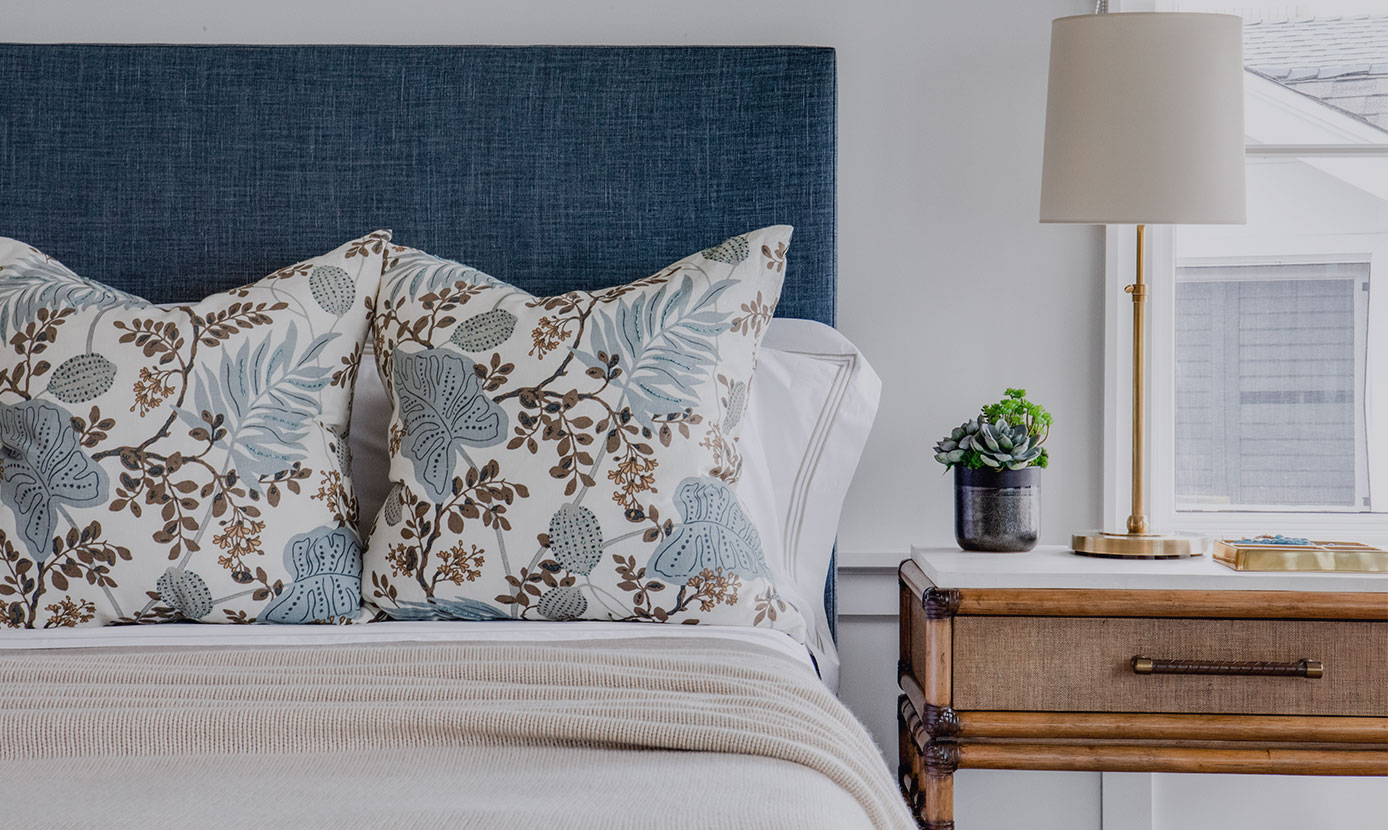
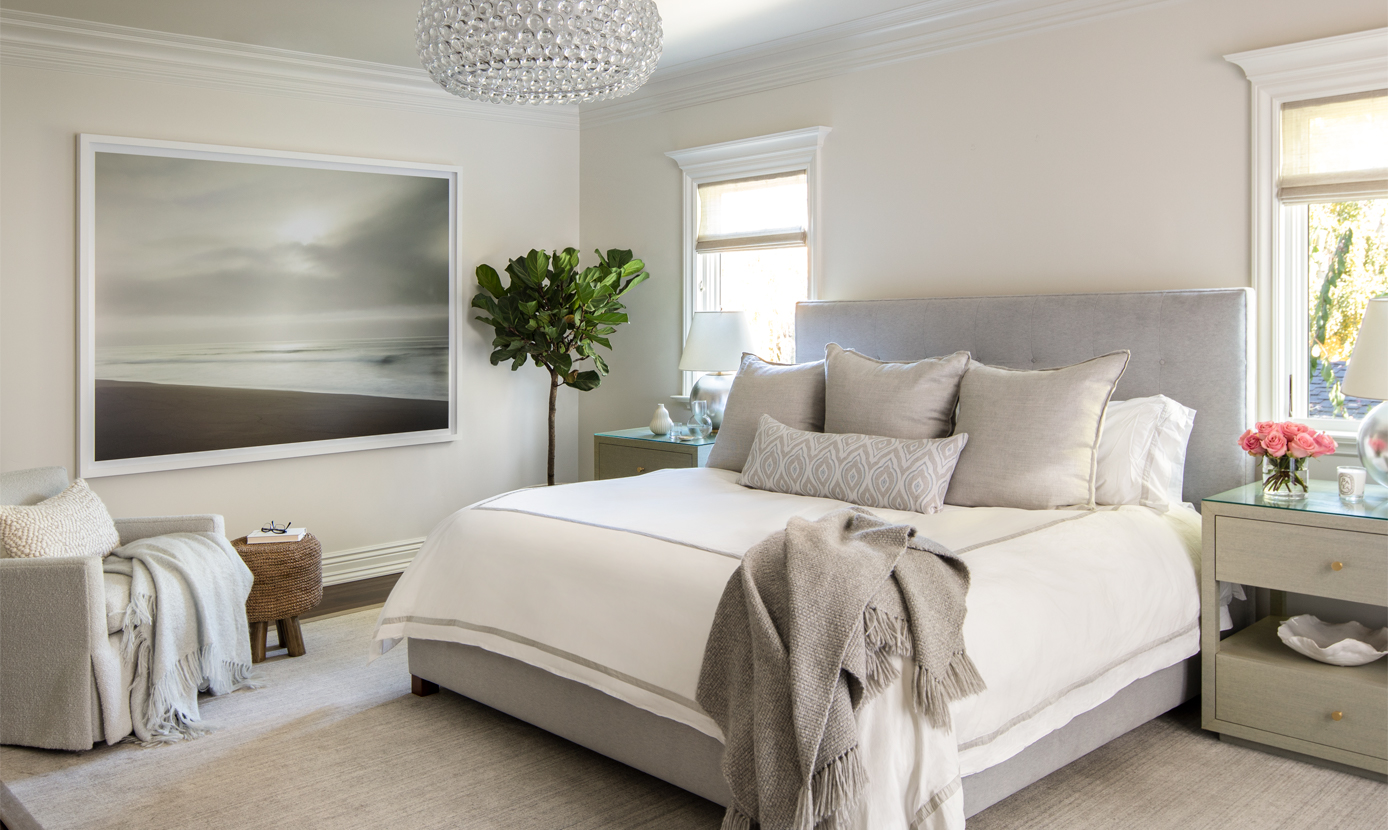
A whole philosophy that naturally resonates with Frette, a house she has admired for decades and whose collections have long found a place in her own home. “I was already visiting Frette boutiques more than twenty-five years ago, when I was still working with Philippe Starck. I admire the consistency of the house and its extraordinary craftsmanship. The quality of the fabrics, the cashmere, the materials… Whenever there's embroidery, it's never excessive. There's something timeless about Frette, they’ve stayed true to who they are.”
Full of infectious enthusiasm, she recalls the bespoke colour palette developed together with the Italian house. “I have their knitted cashmere blankets, as well as several bed linen collections. It's never just about the thread count; it's about the quality of the fibres themselves. I especially love their cashmere blankets, lightweight, incredibly tactile and wonderfully sensory. Together we developed custom colours that I’m particularly proud of, including a soft powder pink, as well as a beautiful khaki green and a warm beige.”